Smarter numbers.
A more informed
approach.
Go beyond the lucky guess. Discover how Lottery Maximizer works, what to look for, and whether this lottery selection system is right for you.
Data-driven thinking
Explore a more structured approach to number selection.
Understand the potential
Separate appealing promises from realistic expectations.
Clarity comes first
Know what to check before making your decision.
Play smarter, not harder
Keep your routine intentional and your budget in focus.
Your next ticket starts
with a better understanding.
Read our Lottery Maximizer review to learn how this lottery winning system is presented, its features, potential pros, and the important limitations to consider before trying it.
 PRODUCT REFERENCE · VERIFY CURRENT DELIVERY FORMAT
A system to explore.
Not a promise to win.
Lottery Maximizer puts a structured number-selection approach at the center of its message. The real question is what that structure means for your experience.
- Understand the proposed selection approach
- Review usability and game compatibility
- Consider the benefits and limitations
- Check current terms on the official website
A note on responsible play. Lottery results are random. No system guarantees a win. Only play where legal, meet the applicable age requirements, and spend only what you can comfortably afford to lose.
What is Lottery Maximizer?
Lottery Maximizer is presented as a lottery number-selection system for players who want a more organized approach to choosing their entries. Rather than treating every purchase as a completely separate decision, the idea is to use a repeatable process. The supplied promotional materials emphasize data-driven selection, ease of use, and the possibility of improved results. Those are marketing claims, however, not proof that a particular combination is more likely to appear in a fair draw. This review separates the appeal of a structured routine from the mathematical reality of lottery games.
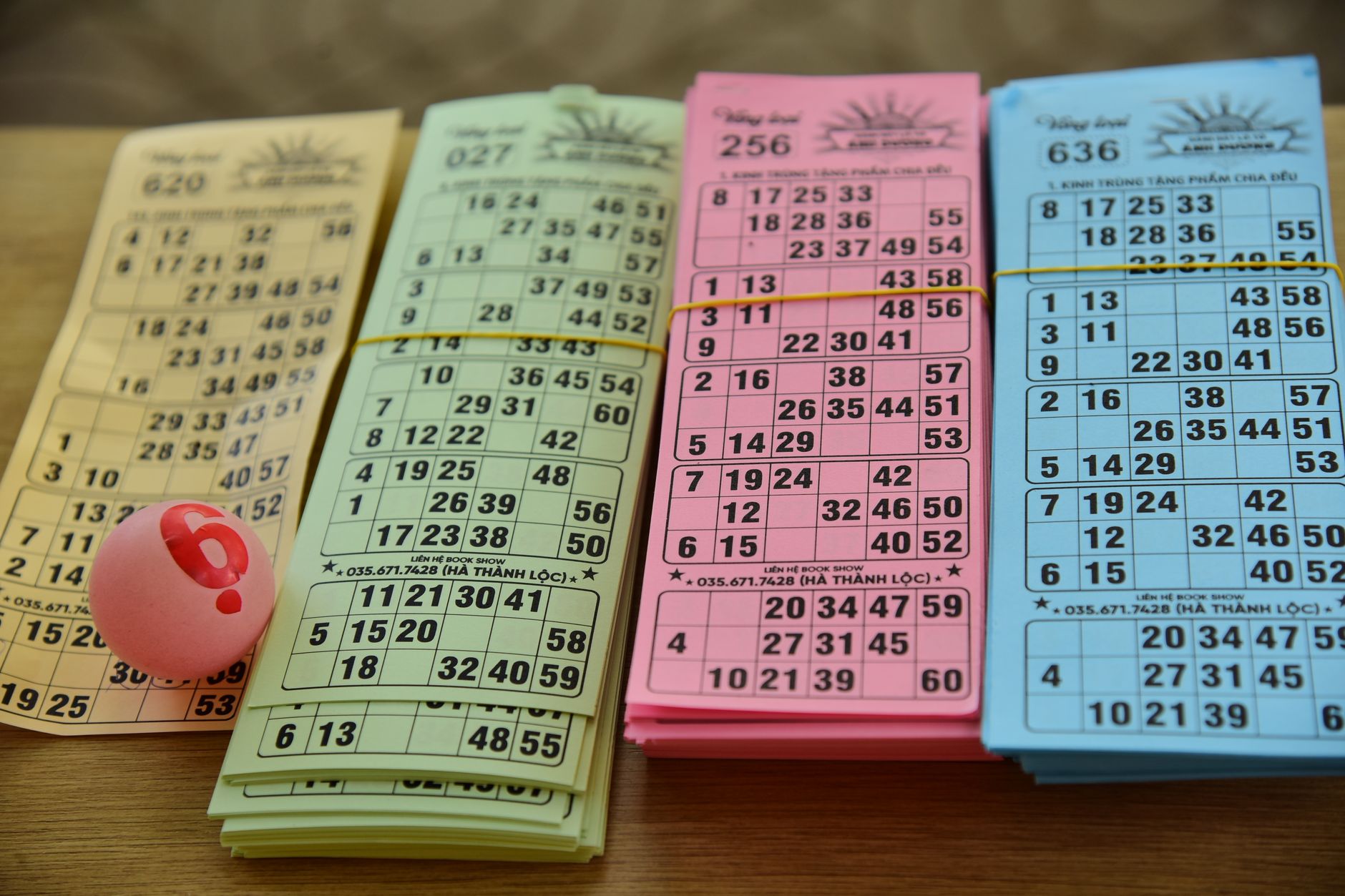
The product reference shows a software-style package and disc, alongside lottery balls, tickets, and bingo imagery. That presentation helps explain the theme, but it does not establish the current delivery format, supported games, or contents of an order. A pictured disc should not be interpreted as confirmation that a physical disc is shipped today. Before purchasing, check the official website for the actual product description and access requirements. Think of this page as a practical reading guide, not a substitute for the seller’s current terms.
The most useful starting question is not whether a system can promise a jackpot. It is whether its instructions, tools, and approach are clear enough to help you make deliberate decisions within an entertainment budget. A worthwhile review should look at usability, transparency, limitations, and suitability together. No number-selection product can remove the uncertainty built into a lottery, and no purchase should be made with money needed for everyday expenses.
A little more structure. A lot less guesswork.
A typical number-selection workflow begins with the rules of the game you actually intend to play. You need to know the number range, how many numbers must be chosen, whether an additional ball is drawn, and which combinations qualify for prizes. These details matter because a method designed around one format may not fit another. Lottery Maximizer’s exact workflow should be confirmed through the official materials; the images alone do not demonstrate its calculations or establish compatibility with a specific national or local lottery.
Players often look at past results, frequently drawn numbers, less frequently drawn numbers, or the balance of odd and even selections. These observations can be interesting ways to organize a ticket, but past outcomes do not make an independent future draw predictable. A number that has not appeared recently is not automatically due to appear. Likewise, a number seen several times in a short period is not necessarily carrying momentum into the next drawing. A useful system should make these distinctions clear rather than encouraging misconceptions.
If you decide to explore a selection tool, use a simple sequence: understand the instructions, confirm the game settings, review the proposed entries, and decide whether they fit your existing budget. Keep your spending limit separate from the number recommendations. More entries usually mean more expense, even when the selection process feels sophisticated. The benefit of a repeatable routine is that it can reduce impulsive decisions; it does not turn an uncertain activity into an investment or a dependable income stream.
Know your game
Understand the method
Set your limit
Know what a system actually gives you.
The first feature to evaluate is clarity. Can a new user understand how to begin, what information to enter, and how to interpret an output? A polished cover or impressive phrase is not a replacement for readable instructions. Look for a description of the selection method, an explanation of any terminology, and examples that distinguish a suggested ticket from an actual result. Because the provided references do not include a working interface, this review does not claim that particular controls, dashboards, or automated features are included.
The second feature is practical compatibility. Verify whether the product works on your device, whether it requires installation, and whether access depends on an internet connection. Check the supported games and any restrictions on location or use. If historical results are involved, find out how those results are obtained and updated. An outdated dataset or an incorrectly selected game format can make an otherwise orderly workflow unhelpful. These checks are especially important when promotional artwork suggests an older boxed-software format but the present offer may be delivered differently.
Finally, look for usable support information and straightforward terms. Instructions should explain what to do when something is unclear, and the official order page should disclose what access includes. Do not assume that updates, personal assistance, or unlimited use are part of a purchase unless the seller states that explicitly. Attractive claims about better chances should be accompanied by a meaningful explanation. The strongest practical feature is often transparency: knowing what a product does, what it does not do, and what you are responsible for verifying yourself.

Numbers can be organized. Randomness cannot be promised away.
In a fair lottery, each eligible combination has the probability assigned by the rules of that game. The machine does not know whether a ticket came from a spreadsheet, a birthday, a quick pick, or a paid system. A carefully balanced set of numbers may look more natural to a person than a consecutive sequence, but appearance does not confer a mathematical advantage. This is the central distinction to remember when reading the phrase “smarter numbers.” Smarter can describe your process without describing a more likely winning combination.
Historical analysis can summarize what already happened. It cannot, by itself, demonstrate that a future independent event will favor the same pattern. Claims of prediction require evidence beyond a few successful examples. Ideally, that evidence would include the complete method, all entries considered, the money spent, the evaluation period, and results checked independently. Selected winning tickets without the unsuccessful tickets do not give a fair picture. This page has not independently tested Lottery Maximizer and does not present promotional language as a verified statistical finding.
There is also a distinction between matching a draw and sharing a prize. Choosing less popular combinations could affect how many other winners hold the same ticket if that combination wins, but it does not increase the probability that the combination is drawn. Whether that consideration matters depends on the specific game and prize rules. Keep these separate questions separate. Clear thinking about probability is more valuable than a confident promise, especially when a product is marketed using jackpot imagery, gold coins, crowns, or upward-pointing charts.
Where a structured approach may help.
The most plausible benefit of a number-selection system is organization. Some players enjoy having a routine instead of making hurried decisions at a ticket counter. Written instructions can help them define a method, keep track of the games they play, and understand why they chose a particular entry. That can make the experience feel more intentional. It is a benefit of process rather than proof of superior outcomes, and it should be judged on how useful the routine actually feels to the individual player.
Another possible advantage is educational value. If the materials explain game rules, probability, and common selection mistakes accurately, they may help a reader become a more informed participant. A clear guide can also encourage questions that casual advertising often overlooks: What counts as a winning match? How are shared prizes handled? When does a ticket expire? Which game rules apply locally? These are sensible areas to investigate, although their inclusion in Lottery Maximizer must be verified rather than assumed from its promotional artwork.
Convenience may also matter. A repeatable method could reduce the time spent deciding on numbers, provided the product is easy to access and use. For someone who already plays occasionally and treats tickets as entertainment, that convenience may have personal value. The right way to evaluate it is to compare the actual instructions and access terms with your needs. Do not assign financial value to an advertised improvement in winning potential unless there is reliable supporting evidence. Enjoyment and simplicity are legitimate preferences; a guaranteed return is not a legitimate expectation.
Read the fine print before the big promise.
The clearest limitation is that no selection routine guarantees a winning ticket. Lottery outcomes remain uncertain, and most entries do not return a major prize. Even a tool that organizes numbers neatly cannot change the physical drawing process or the official game rules. Marketing often emphasizes successful outcomes because they are memorable. A balanced decision requires equal attention to losing outcomes, ongoing ticket costs, and the possibility that the product’s practical value is smaller than its presentation suggests.
Another limitation is the information available for this review. The supplied references show branding and promotional imagery, not the full instruction manual or an independently audited performance record. Consequently, this page cannot confirm a proprietary algorithm, a specific improvement in odds, a current support commitment, or a particular refund policy. That is not an accusation about the product. It is simply an honest boundary on what can be concluded from the evidence provided. Any claim beyond that boundary should be checked directly before relying on it.
There is also a behavioral risk: a system can make a player feel more confident and therefore encourage additional spending. Confidence is not the same as improved probability. Set a fixed entertainment limit before using any recommendations and avoid increasing it after a losing streak. If you notice yourself chasing losses, borrowing to play, or expecting a win to solve financial problems, stepping away is more important than finding a new method. A responsible review should make room for the possibility that not purchasing, and not playing, is the best choice.
“A more confident choice is not necessarily a more likely winning choice.”
A practical checklist for an informed purchase.
Visit the official website and read the current description from beginning to end. Confirm exactly what is included, how you receive access, and whether any recurring commitment applies. This page intentionally does not include a price section: offers can change, and the supplied references do not establish a current amount. The live order page is the appropriate place to verify the payable total and purchase conditions. Avoid making a decision based on a remembered promotion, an old product image, or a third-party claim about a discount.
Check device requirements, supported lottery formats, and the availability of instructions before proceeding. If the page mentions customer support or a refund arrangement, read the applicable conditions rather than relying on a headline. Notice any time limits, eligibility rules, or steps required to request help. Keep a copy of the order confirmation and the terms shown at purchase for your own records. A careful buying process protects your understanding of the transaction even when the product itself is straightforward.
The order buttons on this page lead to https://lottery-maximizer.com, the website supplied for this review. They do not complete a purchase here, and this page does not collect payment information. Before entering sensitive details on any destination, check the address and review the checkout information. If the seller’s explanation leaves important questions unanswered, pause rather than treating urgency as a reason to proceed. A legitimate decision can withstand a little time spent reading, comparing expectations, and deciding whether the product fits your personal entertainment budget.
A tool for curiosity, not a plan for income.
Lottery Maximizer may interest adults who already understand lottery risk and would like to explore a structured selection method. A suitable reader is curious about the process, willing to read the instructions, and comfortable treating the purchase and tickets as discretionary entertainment. That person can evaluate whether the material is clear and useful without requiring it to produce a jackpot. They can also stop using it if the approach does not suit them, rather than assuming that repeated spending will eventually validate the system.
It is a poor fit for anyone seeking dependable earnings, relief from debt, or a guaranteed way to recover earlier losses. A lottery ticket is not a savings account, and a number-selection product is not a financial plan. If you would need a prize to justify the expense, the risk is already too high. The same caution applies if the purchase would displace rent, groceries, utilities, medical needs, or other essentials. Protecting those priorities is more important than any promised shortcut to a bigger win.
Your decision can be simple: verify the offer, understand the limitations, and decide whether the educational or organizational value is worth it to you without counting future winnings. If the answer is unclear, wait. There is no requirement to buy a system to enjoy an occasional lottery entry, and choosing not to play is always an available option. For those who do proceed, the healthiest measure of success is sticking to a deliberate budget and keeping expectations grounded, not interpreting every near miss as evidence that a major prize is coming.
Be informed. Stay realistic. Play on your terms.
Our conclusion is cautious rather than promotional: Lottery Maximizer is worth examining as a proposed organizational approach, not as an established route to lottery winnings. The supplied branding communicates a strong promise of smarter play, but a promise and a verified result are different things. There is not enough information here to certify a statistical advantage or recommend the product on performance grounds. The official description, instructions, and terms should carry more weight in your decision than dramatic imagery or an appealing slogan.
The potential value lies in clarity, convenience, and a repeatable routine, assuming those qualities are present in the current product. The essential drawbacks remain uncertainty, ticket expenses, and the risk of overconfidence. Weigh both sides without letting a large possible prize dominate the discussion. Ask what you would gain if you never won more than you spent. If the answer is useful information or an enjoyable process within a modest budget, you have a realistic basis for evaluation. If the answer depends entirely on winning, reconsider.
Before ordering, use the checklist above and read the current official terms. After ordering, if you choose to do so, keep play optional and spending bounded. No strategy should override the basic rule that lottery participation is entertainment with uncertain outcomes. This review is informational, is not financial advice, and does not imply endorsement by any lottery operator. Whatever you decide about Lottery Maximizer, an informed approach means understanding both the attraction of a system and the limits that no system can remove.
Good questions.
Clear answers.
Before you make your next move, get the essentials straight.
Use any Order Lottery Maximizer button to visit https://lottery-maximizer.com. Read the current product description, total payable amount, delivery details, and any applicable terms before ordering. This review does not process payments.
The supplied product image depicts a box and disc, but that image does not confirm today’s delivery method. Verify the current access format and device requirements on the official website.
Do not assume universal compatibility. The references include both lottery and bingo imagery, but they do not establish supported formats. Confirm the specific game, number range, and rules in the official product information.
Set an entertainment budget first, read the instructions and purchase terms, and understand that historical draws do not predict independent future outcomes. Never borrow to play or try to recover losses through additional tickets.
Make an informed choice.
Then play your way.
Explore Lottery Maximizer’s current offer, read the details,
and decide whether the approach fits you.